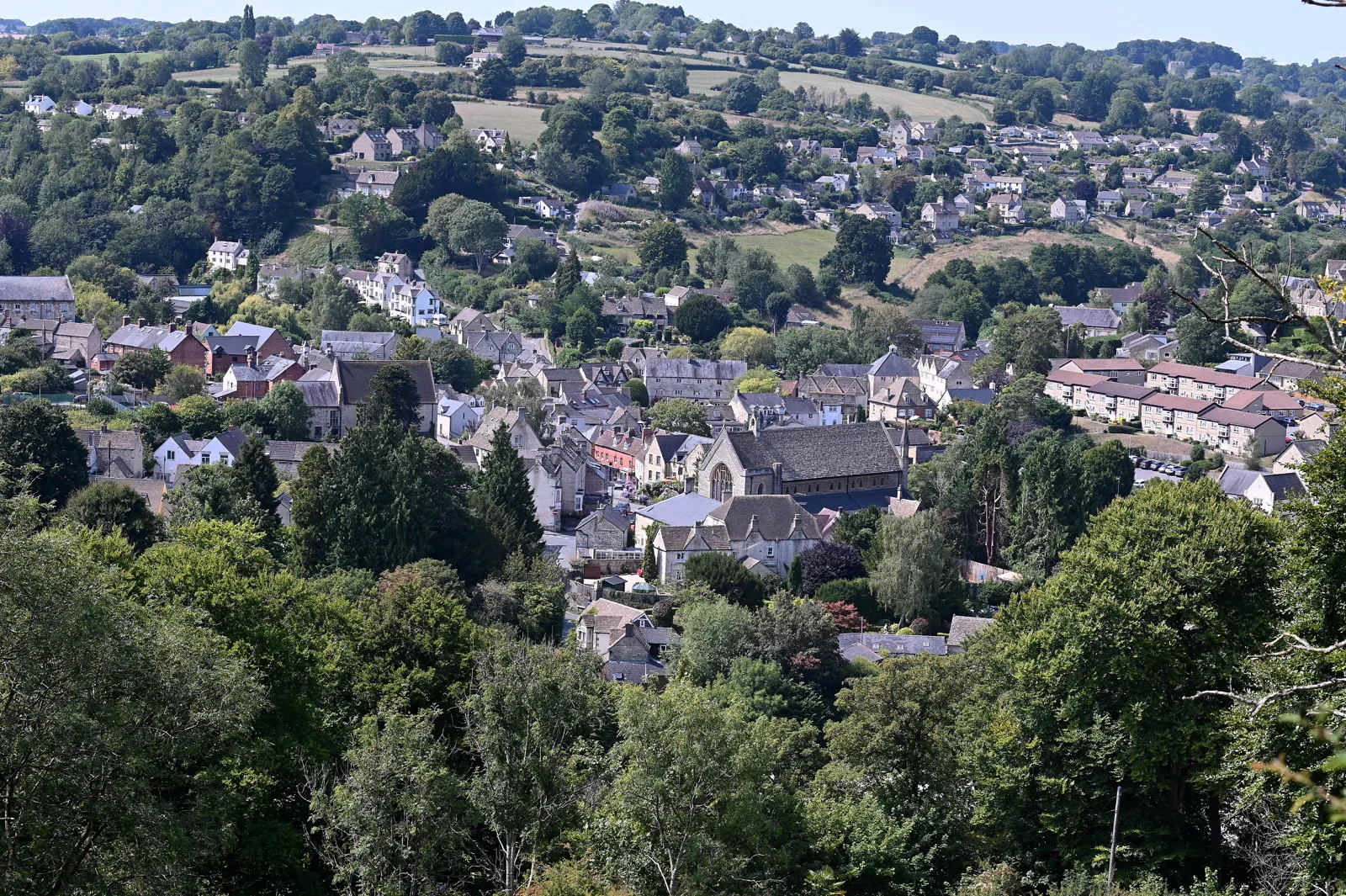

Stroud District Council's £100,000 Sustainable Economy Fund offers grants of up to £5,000. Round 1 closes on 22 November, and round 2 may be cancelled if the money runs out.
Businesses, charities and community groups in Stroud district have until Sunday 22 November to apply for grants of up to £5,000. The money comes from Stroud District Council’s £100,000 Sustainable Economy Fund. Round 1 opened on 16 October.
A second round is planned for 2 April to 16 May 2027. But the council warns it may not happen. Its fund page says demand is expected to be high, and that if round 1 brings in enough good applications it “reserves the right to award all available funding and cancel Round 2”.
Overview
- How much: up to £2,000 (Tier 1) or £2,001 to £5,000 (Tier 2). Match funding is welcome but not required.
- Deadline: round 1 closes on 22 November 2026.
- Who can apply: businesses and sole traders, CICs, charities, social enterprises, co-operatives, town and parish councils, schools, colleges and training providers.
- The catch: sole traders and businesses trading for less than two years can apply for up to £2,000 only.
- When the work must finish: every funded project must be completed by 31 October 2027.
What the money can pay for
Projects must fit at least one of five themes, according to the council’s announcement:
- Green and inclusive economy
- People and skills
- Investment and enterprise
- Sustainable tourism, market towns and villages
- Rural enterprise and infrastructure
The council’s examples include equipment, machinery or tools, training and employability schemes, workspace improvements, digital technology, accessibility work, carbon reduction, and rural or local food projects.
An organisation does not have to be based in the district. The project does have to be delivered here, with a clear benefit to the local economy.
What it will not fund
The guidance notes rule out:
- day-to-day running costs or business-as-usual spending
- anything already bought or started (no retrospective spending)
- vehicles and fuel
- loan repayments
- accredited courses or qualifications
- general consumables, and VAT you can reclaim
- organisations in financial difficulty
Planning permission, where a project needs it, must already be in place when you apply. If the work is to a building you rent, you will need proof of your lease and written consent from the landlord before any money is paid.
Grants under £1,000 are paid in one go. Larger grants are normally paid 60% up front and 40% once the work is done. The money can only go into a business or organisation bank account in the applicant’s legal name, never a personal account.
What it means for you
If you have a project in mind, the deadline is close. The council says most online applications take 20 to 30 minutes, but you may not be able to save a half-finished form and come back to it. Have your costs and plans to hand before you start.
The application form, guidance notes and example projects are on the council’s website. Paper forms are available from Ebley Mill reception and Stroud Growth Hub. Applications are scored on fit with the fund’s priorities, economic, environmental and community benefit, deliverability and value for money.
Stroud Growth Hub offers free help with business plans on 01453 761184. Questions about the fund go to the council’s economic development team at economic.development@stroud.gov.uk.
Councillor Catherine Braun, deputy leader of the district council, said the fund “is designed to help organisations turn good ideas into reality.”
Have your say